
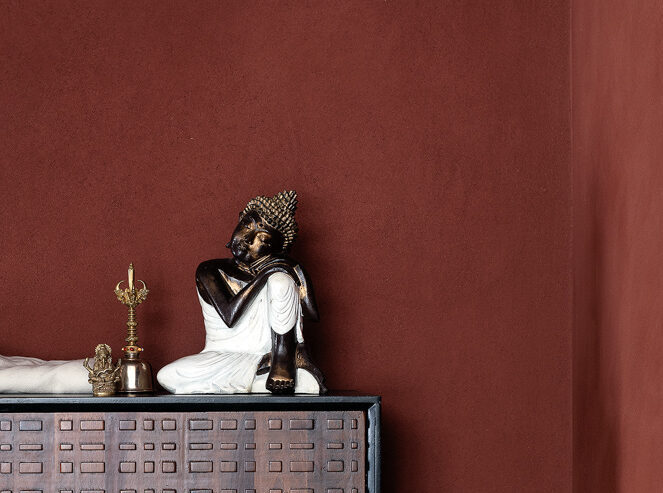
Clay plasterwork and finishing services combine traditional craftsmanship with modern building standards. Working with experienced plaster contractors ensures that natural clay plaster systems (such as clay decorative plaster or clay rustic finishing plaster) are applied correctly, delivering durable, breathable clay plaster walls suited to both contemporary and heritage environments.
How do I choose the right clay plaster finish for my project?
Choosing the right clay plaster finish depends on aspects including:
- The desired aesthetic
- Surface conditions
- Overall design concept
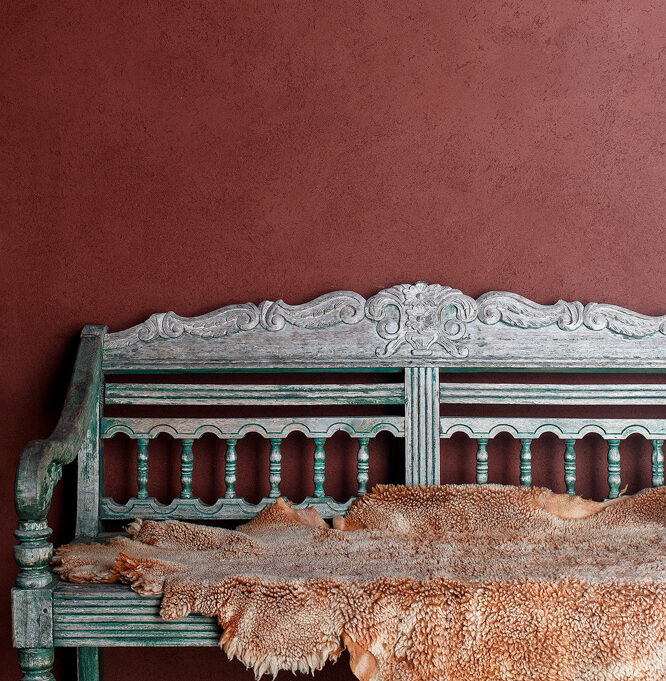
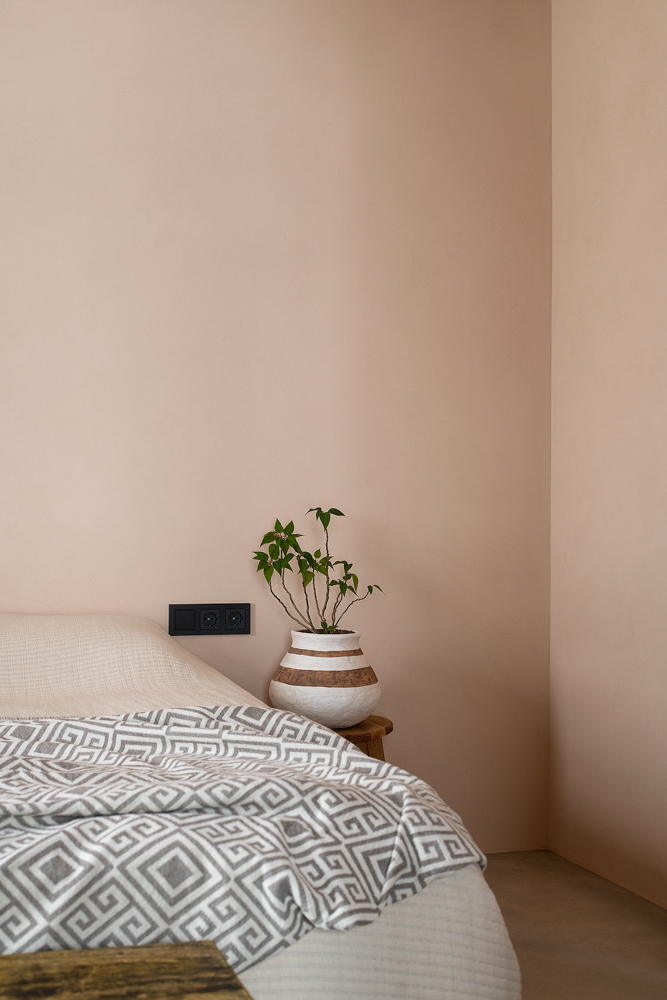
The smooth finishes of clay stucco and clay decorative plaster create a refined, modern look, while more textured applications such as clay rustic finishing plaster or pure-earth plaster highlight the natural variation of the material. Working with skilled plaster contractors who understand both material performance and design intent is the best way to ensure the best results.
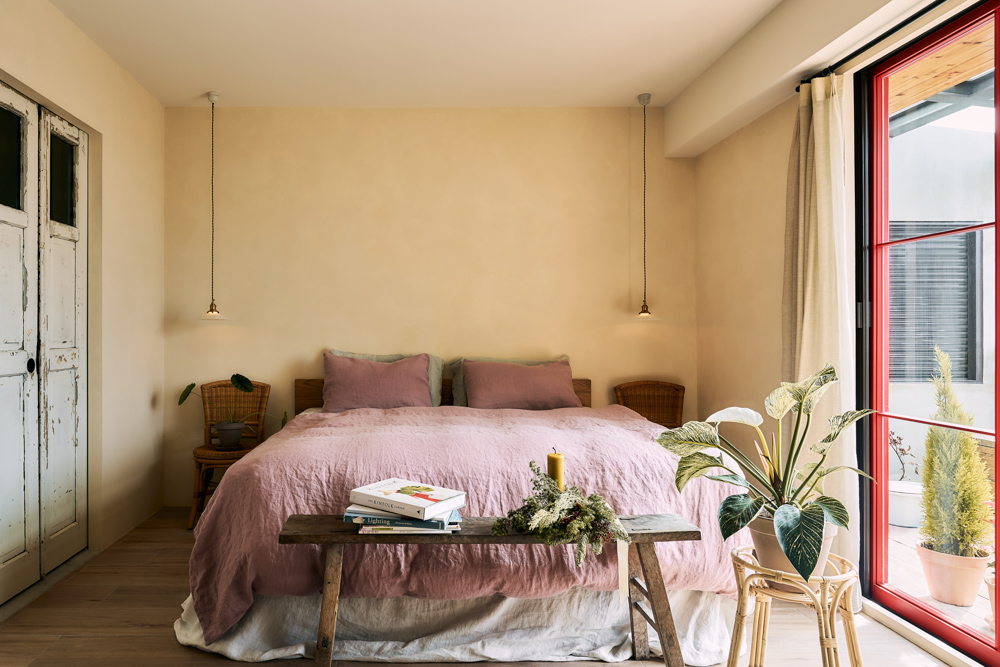
What does clay plastering service include?
Clay product and plastering services typically include surface preparation, base and finishing primer coats, and the application of clay plaster finishes. Contractors may also advise on suitable systems such as clay decorative plaster, clay marmorino, or rustic finishing plaster, ensuring the right materials and techniques are used for each specific project.
Clay plasterwork and finishing services: FAQs
Clay plaster is a natural wall finish made from clay, sand, and fibres. It comes in a variety of styles and finishes, including:
- Clay decorative plaster
- Clay rustic finishing plaster
- Clay stucco
- Clay marmorino
- Pure earth plaster
- Hemp-clay plaster
Unlike conventional solutions, clay plaster does not rely on cement or gypsum, and it remains breathable, helping regulate moisture within walls. Compared to standard plaster, it offers a softer, more tactile clay wall finish with a matte, mineral appearance that supports healthier, calmer indoor environments.
The cost of clay plastering services typically depend on factors such as surface area, substrate condition, finish type and project complexity. As a general guide, clay plaster work is often priced per m² and may be slightly higher than standard plastering due to material quality and craftsmanship, but offers longer-term performance and higher aesthetic value. Contact us if you’d like further guidance on expected costs.
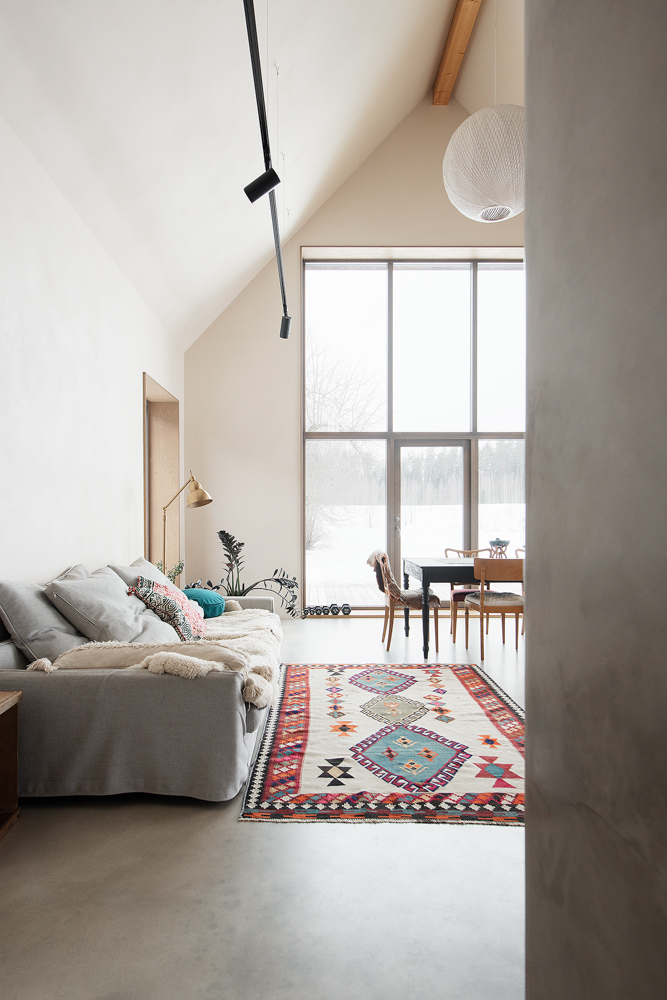
Application time varies depending on the size of the project and the number of clay layers required. Clay plaster is typically applied in multiple coats, with drying time between each layer. Smaller interior projects (like this beautiful private house in Elva) may take a few days, while larger or more complex clay plaster finishes (such as Nature Villa Poku in Maidla) can take a little longer.
Clay plaster is primarily used for interior applications, where it performs best in dry, breathable environments. For exterior walls, lime-based systems are generally recommended. However, clay plaster interior finishes are highly versatile and can be used across walls, ceilings and feature surfaces within a wide range of building types.
Clay plaster is a long-lasting finish when applied correctly and maintained in suitable conditions. It can be easily repaired without visible joins, making it increasingly practical over time. Maintenance would typically involve minor touch-ups or reapplication, which allows natural plaster walls to age gracefully while retaining their original character.
Why clay plasterwork and finishing service contractors love UKU products
- Consistent material quality ensures reliable application across a wide range of natural plastering services.
- Breathable clay systems support healthy indoor environments and long-term wall performance.
- Our versatile clay product range allows flexibility across decorative, rustic and modern clay plaster finishes.
- Technical support and guidance helps contractors deliver precise, high-quality results on every project.
UKU clay products are developed to support both independent craftsmen and B2B designers, combining traditional materials with modern consistency. Ultimately, this allows contractors to work efficiently while achieving refined, durable clay plaster finishes tailored to each individual project.
