

Across residential and architectural projects – where performance, aesthetics, and indoor air quality are all a priority – organic and sustainable paints are increasingly specified and sought-after. Unlike conventional coatings, organic paints are designed to work with the building fabric – not against it – creating breathable wall systems that regulate humidity and support healthier living environments.
From clay paint to limewash, natural paint systems offer a refined, matte finish with depth and variation, while remaining free from harmful emissions. When carefully selected, they provide a balance of durability, material honesty, and long-term performance.
In other words, rather than acting as a superficial layer, sustainable paint finishes become a part of the wall itself, contributing to both its function and its visual character.
What Are Organic and Sustainable Paints?
Organic and sustainable paints are coatings made from natural or mineral-based ingredients such as clay, lime, chalk, pigments, and plant-derived binders. They are designed to minimise environmental impact while improving the performance of the wall surface itself.
Unlike synthetic paints, which rely largely on plastic resins and chemical additives to create a sealed surface, natural paints are formulated with simplicity in mind. This allows them to integrate more naturally with the substrate, supporting breathable construction principles and reducing the risk of long-term material conflict within the wall system.
Clay paint, limewash, and other natural paints are often used as part of a wider natural finishing approach: applied in combination with materials such as clay stucco, clay marmorino, lime decorative putty, or marble lime plaster to create a fully breathable wall assembly.
The primary difference between natural and conventional paint lies in how they behave once applied.
Conventional paints typically create a closed film that ‘sits on top’ of the wall. While this can provide a uniform, predictable finish, it also hinders the natural movement of moisture. Over time, this results in condensation forming inside the wall structure, leading to issues such as:
- Peeling paint
- Damp patches
- Reduced durability of the surface
- Weakened integrity of the wall material
Natural clay and lime paint, by contrast, remain vapour permeable. This allows moisture to move freely through the surface; thereby supporting breathable walls that regulate humidity in response to changing environmental conditions. This is particularly valuable in both older buildings and modern breathable construction systems.
Another key distinction is the presence of volatile organic compounds (VOCs). Many conventional paints contain VOCs that are released into the air during application and as the paint cures. These emissions can affect air quality and contribute to long-term health concerns; meanwhile, organic paints significantly reduce or eliminate VOC content. UKU products, for example, are 100% natural and M1-certified, ensuring that they meet strict standards for indoor air safety while maintaining high performance.
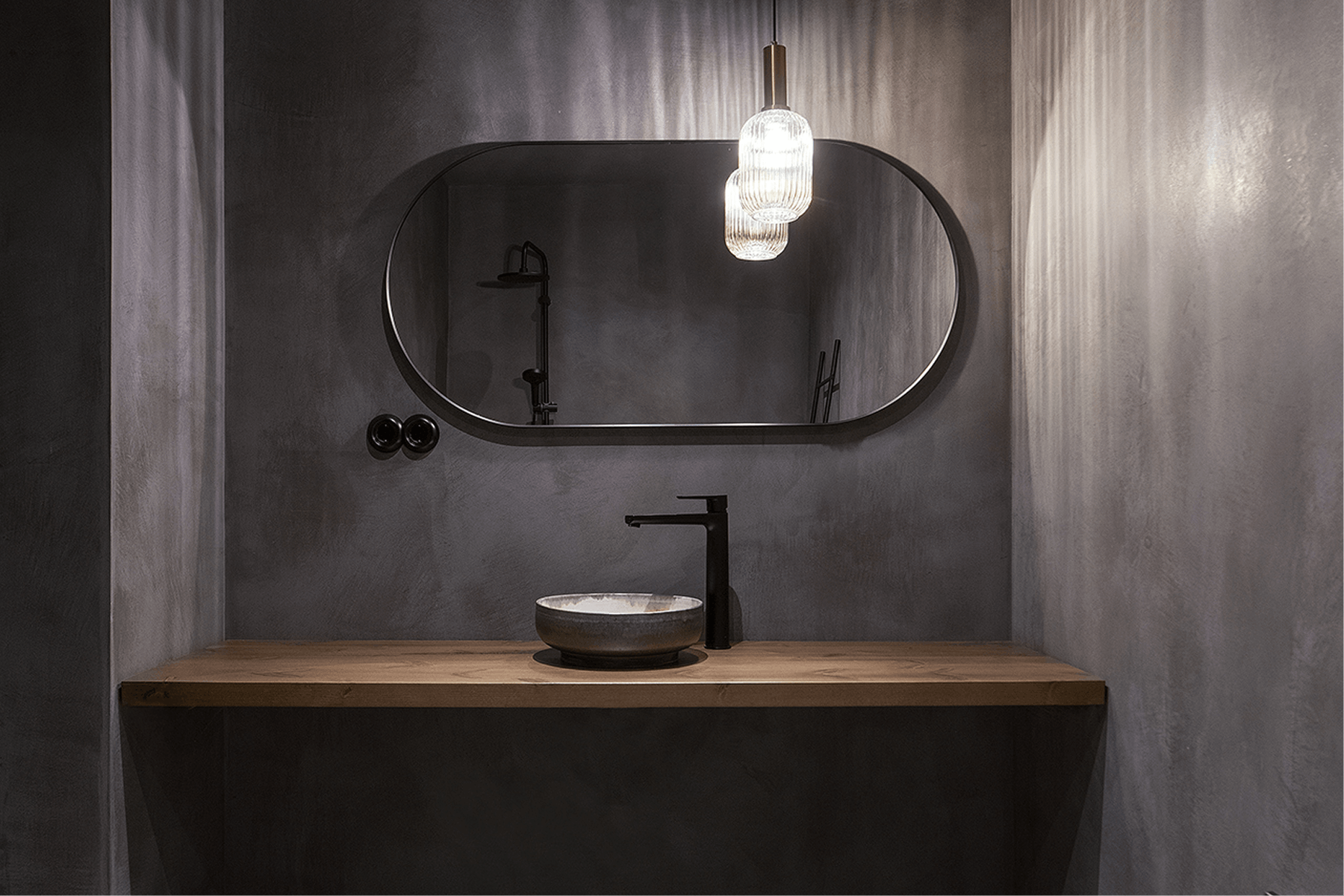
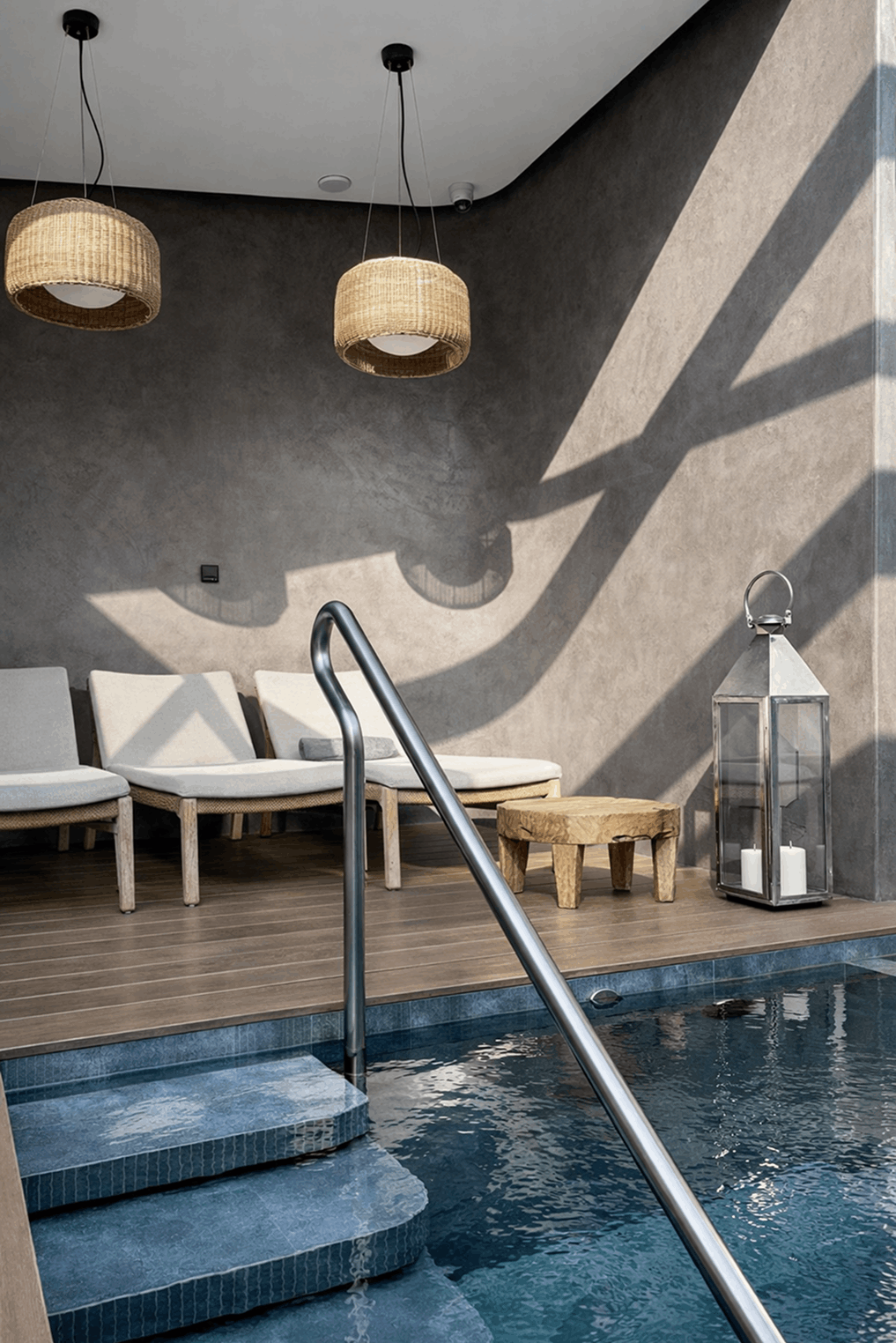
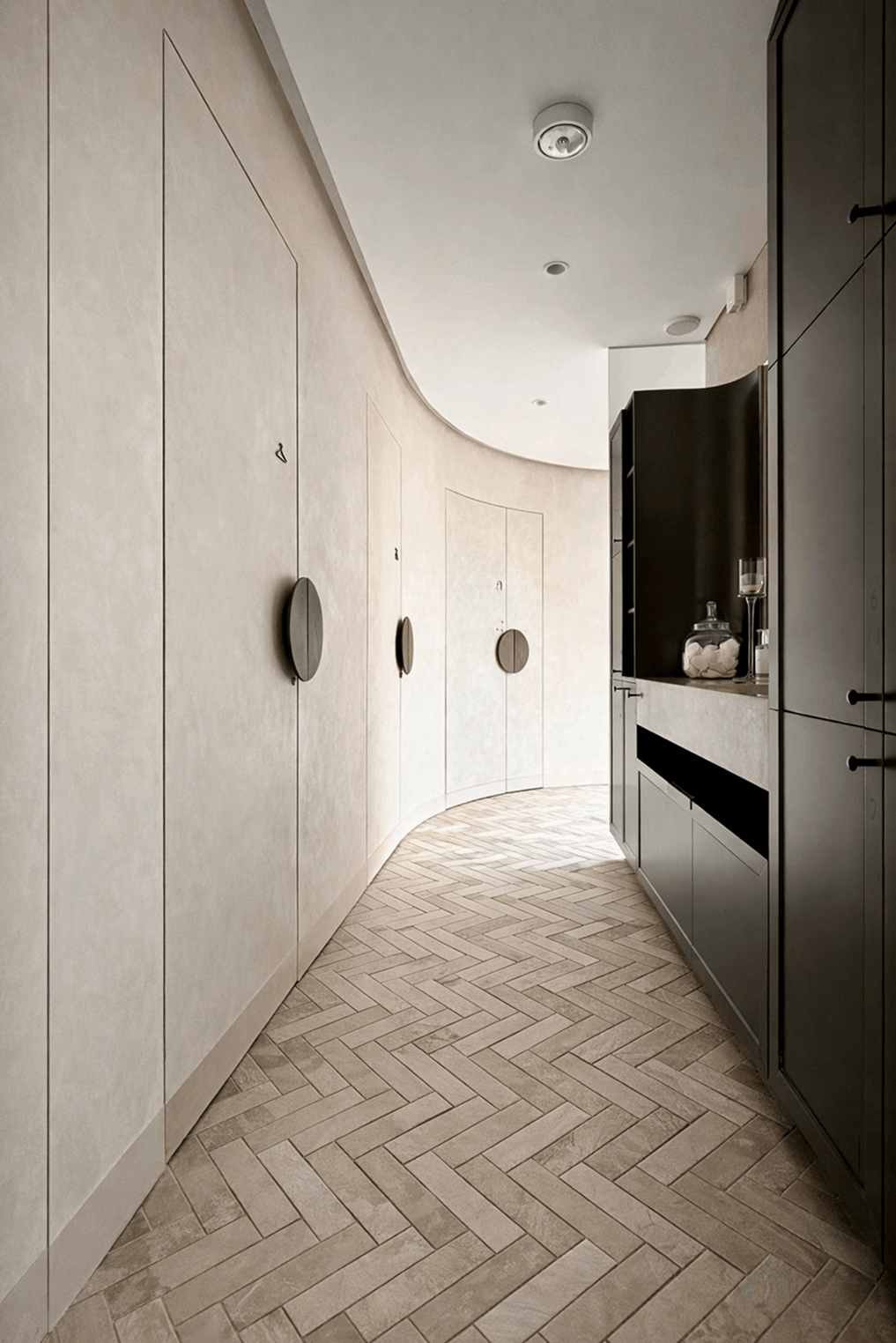
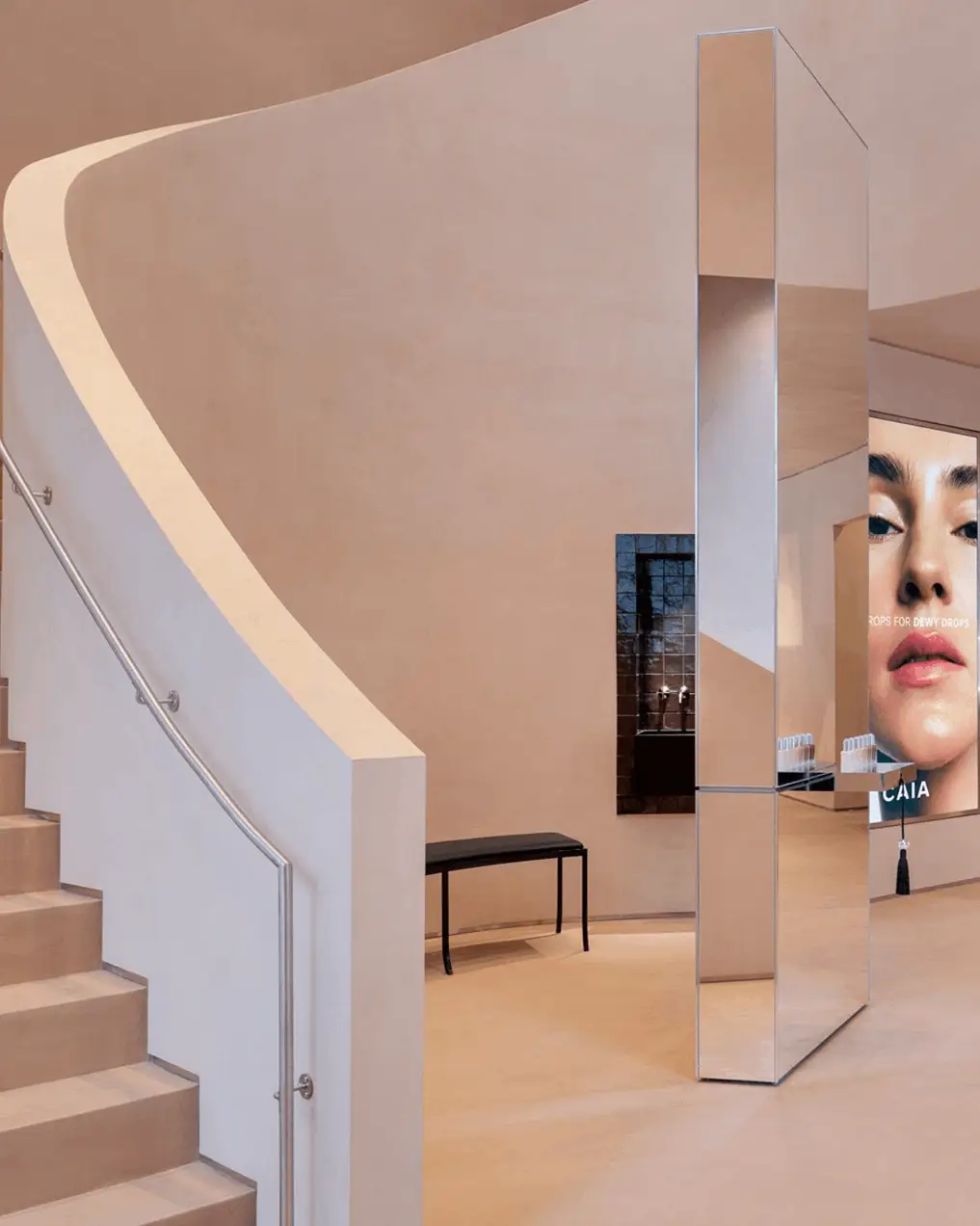
Visually, natural paints also behave differently. Instead of creating a flat, uniform coating, for instance, a clay paint would produce surfaces with subtle variation and depth. Light interacts more softly with mineral finishes, giving walls a more considered and architectural appearance.
Benefits of Breathable and Eco-Friendly Wall Paint
- One of the defining advantages of sustainable paint systems is their breathability. By allowing water vapour to pass through the wall surface, these paints help maintain a balanced moisture level within the structure.
- This has a direct impact on the longevity of the building – moisture that becomes trapped behind impermeable coatings can lead to gradual deterioration of materials. Breathable paints (like limewash) reduce this risk by allowing walls to dry naturally.
- The effect on indoor comfort is equally important. Spaces finished with breathable clay paints tend to feel more stable, with fewer fluctuations in humidity. This helps create a more comfortable living environment, particularly in climates where seasonal changes can affect internal conditions.
- Another key benefit is improved indoor air quality. Without synthetic additives, solvents or harmful emissions, natural lime and clay products can help ‘clean’ the atmosphere inside rooms. This is especially valuable in homes, workplaces, and spaces where people spend extended periods of time.
- From a practical perspective, natural paints also offer flexibility in maintenance. Rather than requiring complete removal when damaged, they can often be repaired locally by specialist applicators, or refreshed with additional layers. This makes them a more thoughtful, sustainable option within the context of the building’s lifespan.
Finally, there is a real, profound aesthetic benefit that should not be forgotten. Natural paints and pigments create finishes that feel softer, deeper, and infinitely more tactile. That is to say, rather than appearing artificial or overly uniform, they develop character over time, by responding subtly and uniquely to things like the fall of light or patterns of use.
Main Types of Sustainable Wall Paints
Clay paint is one of the most refined, desirable options for interior walls. Made from natural clay and mineral pigments, it produces a soft, velvety matte surface with subtle texture and depth.
Its key performance characteristic is its ability to regulate humidity. Clay paint absorbs excess moisture when the air is damp and releases it when conditions dry out – this creates a more stable indoor climate and supports a healthier environment without relying on mechanical ventilation.
From a design perspective, clay paint offers a unique quality of surface. It diffuses light rather than reflecting it, resulting in a calm, understated appearance. This makes it particularly well suited to contemporary interiors, such as our own UKU showroom in Mooste, where material expression was prioritised over a high-gloss finish.
The colour palette of clay paint is typically based on natural colors of different clay powders, producing tones that feel grounded and timeless. Rather than appearing overly saturated, colours tend to shift subtly depending on light conditions, adding depth to the space.
Generally speaking, clay paint is best suited to interior applications, where its breathable properties and tactile finish can be fully appreciated. When applied correctly to prepared surfaces, it creates a durable and repairable finish that integrates seamlessly with the wall.
Limewash, or lime paint, is a mineral-based coating with centuries of tradition and craftsmanship in construction. It is made from lime and water, often combined with natural pigments, and is suitable for both interior and exterior surfaces.
One of the defining characteristics of limewash is its method of curing. Through carbonation, the lime reacts with carbon dioxide in the air, gradually hardening and bonding with the substrate. This creates a durable surface that remains breathable while offering protection against environmental conditions.
The finish produced by limewash is distinctive. It has a soft, matte appearance with gentle tonal variation, often described as a cloudy or washed effect. This variation is inherent to the material and reflects the hand-applied nature of the process.
Limewash is particularly effective on mineral substrates such as plaster, brick and stone. It is widely used in both restoration projects – such as Võru Catherine Church, which was renovated with UKU rustic lime finishing plaster and painted over with yellow lime paint – as well as contemporary architecture, where its natural aesthetic and performance characteristics are valued.
Because of its durability and compatibility with external conditions, limewash is often the preferred choice for facades (like on the historic Mooste Manor school building). At the same time, it can be used internally to create expressive, character-rich surfaces.
Best Sustainable Paints for Interior Walls
For interior walls, the focus is typically on comfort, air quality and visual refinement. Therefore, clay paint is often the preferred solution, due to its ability to regulate humidity and create a soft, matte finish that enhances the overall atmosphere of the space.
It performs particularly well in living areas, bedrooms and working environments where stability and comfort are important. The absence of glare and the subtle interaction with light make it ideal for creating calm, considered interiors.
Limewash can also be used indoors, particularly in spaces where a more textured or expressive finish is desired. Its natural variation can add depth to feature walls, while its breathable properties make it suitable for areas such as kitchens or bathrooms when correctly specified.
In many cases, combining different natural paint systems within one project allows for a more nuanced result, with each material used where it performs best.
Best Organic Paints for Exterior Surfaces
Exterior surfaces require paints that can withstand environmental exposure while maintaining breathability. Lime-based paints are particularly well suited to this role.
Limewash paint performs effectively on facades, brickwork and render, where it allows moisture to escape while protecting the surface from rain and temperature changes. This helps preserve the integrity of the building over time.
Breathable exterior paint systems are essential in buildings with solid walls or traditional construction methods. Using impermeable coatings in these contexts can lead to long-term damage, making natural alternatives a more appropriate choice.
In addition to performance, limewash provides a visual quality that suits both traditional and modern architecture. Its soft, mineral finish integrates naturally with the surrounding environment, avoiding the artificial appearance of some synthetic coatings.
Selecting the correct system depends on the substrate, exposure conditions, and desired finish. In all cases, ensuring compatibility between the paint and the underlying material is the key to achieving a durable result.
Best Organic Sustainable Paints For Walls: FAQs
Most organic paints and pigments are non-toxic and safe for indoor use, particularly those that are VOC-free or M1-certified. These paints are designed to minimise emissions and support healthier indoor air quality, making them suitable for residential and sensitive environments.
Volatile organic compounds (VOCs) are chemicals that can be released into the air from paints and coatings. They are commonly found in synthetic products and can affect indoor air quality over time. A low volatile organic compound paint contains reduced levels of VOCs, while natural paints can eliminate them entirely. Clay paint and limewash, for example, are breathable, mineral-based finishes that help maintain a healthier indoor environment without releasing harmful emissions.
Organic paints are best applied to breathable, mineral-based surfaces such as clay plaster, lime plaster, drywall, brick, and stone. Proper preparation and expert applicators help ensure strong adhesion and consistent performance over time.
Natural paints can be highly durable when applied correctly. While they may weather differently from conventional paints, they can usually be repaired or refreshed easily, extending their lifespan without requiring full removal.
Organic and sustainable paints can be sourced from specialist manufacturers such as UKU. Simply let us know a few basic details about your project, and we’ll be happy to provide personalised guidance on suitable products, quantities, and application methods. Contact us now to learn more.
