

Mould growth on walls is rarely caused by the surface alone.
In most cases, it develops because moisture becomes trapped within the building fabric, creating the damp conditions mould needs to survive. This is the reason why the best mould resistant paint solutions are not simply coatings that contain chemical additives; rather, they are breathable systems, designed specifically to regulate humidity naturally.
Across both contemporary homes and heritage buildings, breathable mineral paints such as clay paint and limewash are increasingly used by professionals and designers to:
- Reduce condensation
- Improve indoor air quality
- Create healthier wall environments
Unlike conventional synthetic coatings, these finishes allow water vapour to move naturally through the wall, helping prevent the long-term moisture build-up that often leads to mould problems.
When carefully specified, breathable mould-resistant paints improve both wall performance and visual quality, creating interiors that feel calmer, drier, and more balanced over time.
What Are Mould-Resistant and Breathable Paints?
Technically speaking, mould-resistant paints are coatings designed to reduce the conditions that allow mould and mildew to develop. However, there are two very different approaches to achieving this.
Conventional mould-resistant emulsion paint generally relies on chemical additives or anti-fungal agents that temporarily suppress mould growth on the surface itself. Breathable mineral paints, by contrast, focus on controlling moisture within the wall structure, even when conditions are warm or hot; addressing the root cause, rather than simply masking the symptoms.
Traditional mold-resistant paint systems typically create a sealed surface on the wall, designed to block moisture penetration. While this can initially appear effective, impermeable coatings may eventually trap condensation behind the paint layer itself, especially in older buildings or poorly ventilated spaces.
Over time, trapped moisture will weaken the wall surface, and contribute to:
- Peeling paint
- Damp patches
- Reduced indoor air quality
- Recurring mould growth
This is why many specialists now favour breathable mould-resistant paints (often made from lime or clay) instead of heavily sealed synthetic systems.
Natural mineral coatings such as clay paint and limewash are intrinsically vapour permeable, which means they allow walls to dry naturally while still protecting the surface.
Breathable paints prevent mould by allowing water vapour to move freely through the wall, rather than becoming trapped inside it.
Clay paint is particularly effective because, as a material, clay naturally absorbs excess humidity when the air becomes damp – and gradually releases it again as conditions stabilise. This moisture-regulating behaviour helps maintain healthier indoor humidity levels across living spaces.
Similarly, lime paint works by creating a breathable mineral coating that supports moisture evaporation rather than blocking it. This makes breathable lime-based finishes especially valuable in:
- Bathrooms and saunas
- Utility rooms
- Kitchens (as seen in this beachside villa)
- Basements
- Older masonry buildings, like the revitalised facade of Mooste Manor
In short, because breathable paints regulate moisture naturally, they typically perform better in the long term than synthetic mold-resistant paints which rely solely on chemical resistance.
The difference between natural and conventional mould-resistant paint comes down to how each system approaches moisture management.
Conventional paint mould-resistant products typically focus on surface protection through additives and waterproof barriers. Meanwhile, natural breathable paints support the wall’s natural drying cycle. As a more time-tested and traditional method of coating, this creates several advantages, including:
- Reduced condensation risk
- Better indoor air quality
- Fewer trapped moisture problems
- Longer-term wall durability
- More stable indoor humidity
Natural mineral paints (which can have their colour, tone, and shade adapted using natural pigments) also avoid many of the harsh chemicals commonly found in synthetic coatings, making them more suitable for sensitive living environments.
Best Mould-Resistant Paints for Interior Walls
Interior walls benefit enormously from breathable coatings that help stabilise humidity while maintaining a healthy, tranquil indoor atmosphere.
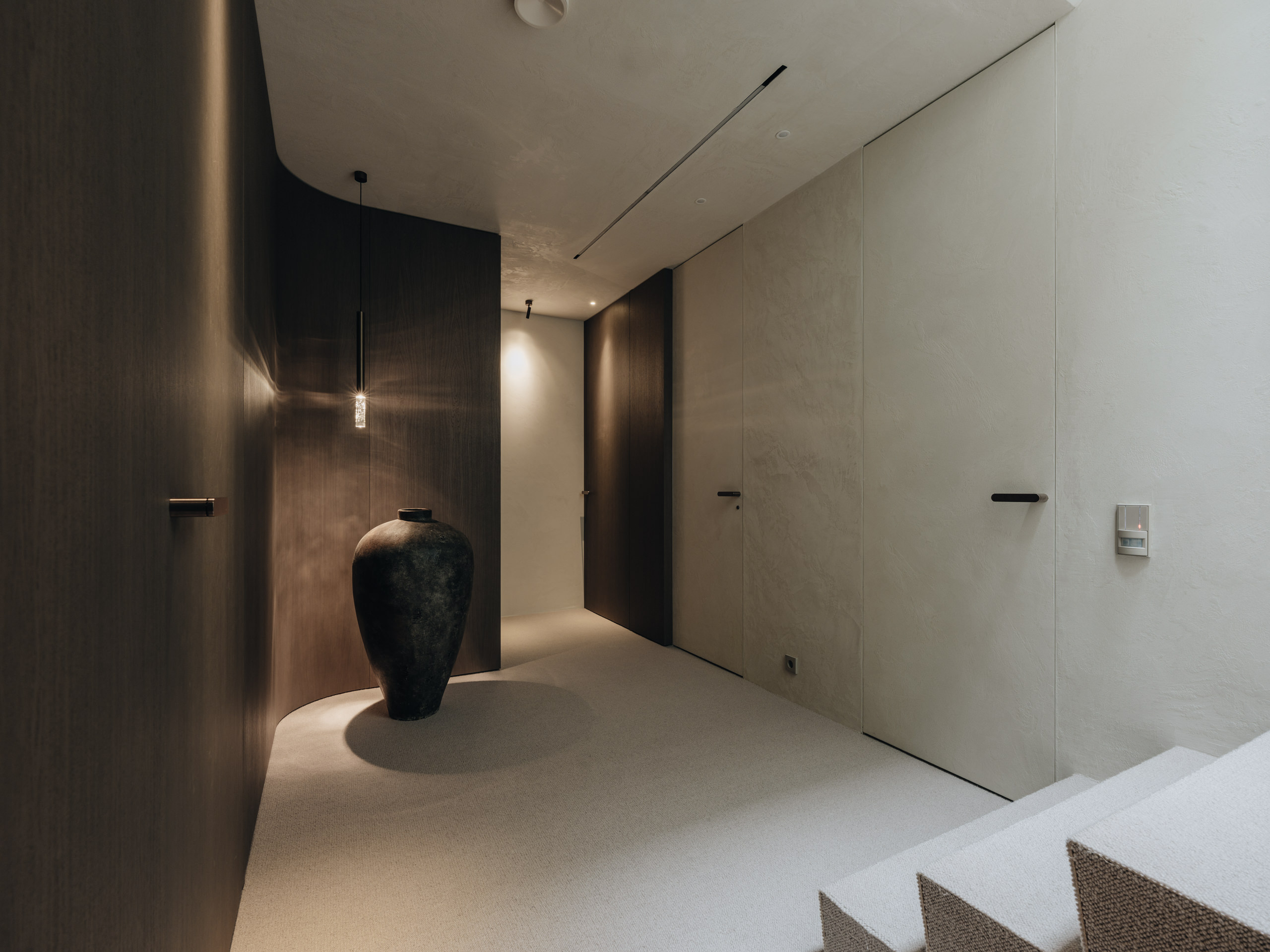
Clay paint is one of the best mould-resistant paint solutions for interior walls because of its natural humidity-regulating properties. Made from clay and mineral pigments, it creates a breathable matte surface that actively responds to changing moisture conditions within the room.
Unlike plastic-based emulsions, clay paint allows moisture to move naturally through the wall while remaining VOC-free and M1-certified. This helps reduce condensation and supports healthier indoor air quality over time.
Used for centuries around the world, clay paint performs especially well in:
- Bedrooms
- Living spaces (like this Taiwanese city apartment)
- Hallways
- Home offices
- Nursery environments
Because it diffuses light softly across the surface, it also creates a calm and tactile architectural finish that feels more natural and calming – as you can see in the Mooste Café, a heritage interior located at Mooste Manor. The walls of the space are finished with UKU natural clay paints in grey and ashen tones. This creates a soft warmth and earthy texture within the café, elegantly complementing the building’s story and history.
Limewash is another highly effective mould-resistant paint option for breathable wall systems; again, it has been used by craftspeople and artisans globally for many generations. Made primarily from lime and water, it bonds directly with mineral surfaces while remaining highly vapour-permeable.
Lime paint is particularly valued in spaces exposed to fluctuating or inconsistent humidity levels because it allows moisture to evaporate naturally from the wall structure. This helps reduce the damp conditions so strongly associated with mould development.
Its soft matte finish and natural tonal variation also make it well suited to:
- Heritage properties (like the Võru Catherine Church)
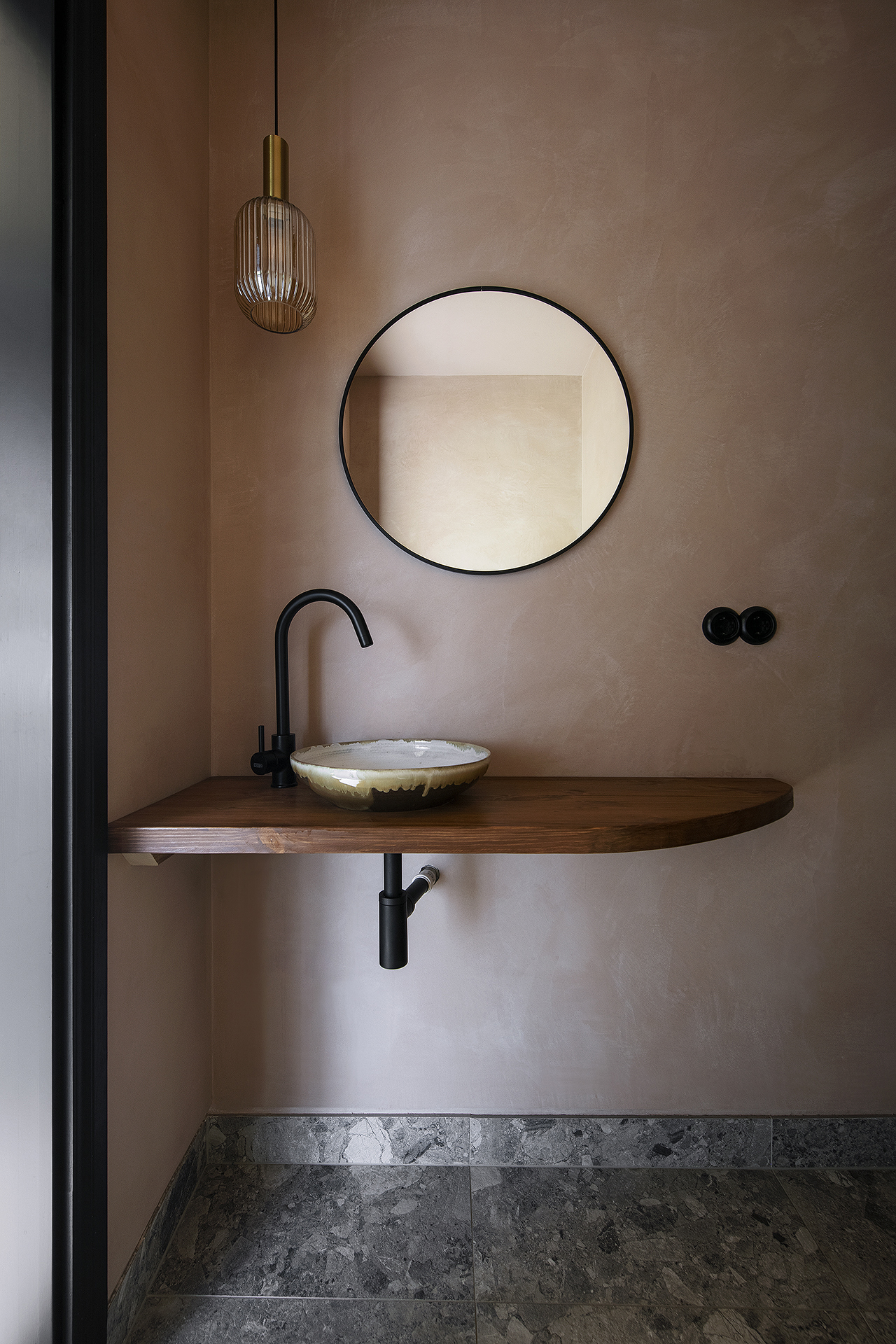
- Bathrooms
- Kitchens
- Brick walls
- Lime plaster systems (including lime marmorino, lime decorative putty, and lime rustic finishing plaster)
Because of its mineral composition, lime is frequently specified as both a breathable decorative coating and a long-term moisture-management solution.


Best Mould-Resistant Paints for Bathrooms and Wet Areas
Every homeowner knows that bathrooms are one of the most common environments for condensation and mould growth. Warm air, steam, and fluctuating humidity place constant pressure on wall finishes – particularly where ventilation is poor.
This is why breathable paint systems are so important in wet areas.
Many homeowners seek mold-resistant paint for bathroom ceiling applications because ceilings often collect condensation first. Breathable lime finishes can help reduce this moisture accumulation by allowing vapour to dissipate naturally, rather than forming droplets on sealed surfaces.
In professional architecture and interior design, limewash is known to be especially effective in bathrooms for four key reasons:
- It remains highly breathable
- It supports moisture evaporation
- It reduces condensation build-up
- It performs well on mineral substrates
Clay paint can work effectively in carefully ventilated bathrooms and washrooms where humidity control is a priority, but this usually requires a highly specialised formulation and application – generally speaking, lime paint is more suitable for areas such as saunas.
For ceilings, professionals typically prefer breathable mould-resistant ceiling paint systems to heavily sealed emulsions, particularly in older buildings with solid masonry walls.
Mould and Mildew Resistant Paints for Exterior Use
Exterior walls experience constant environmental change and weather exposure, making breathability equally important outdoors.
Impermeable exterior paint mold-resistant systems may initially block water penetration – but over time they can trap moisture within brick, render, or stone walls. This is particularly problematic in heritage construction and older, solid-wall buildings.
Breathable exterior limewash systems allow moisture to escape naturally while still protecting the wall surface from weather exposure. This improves the long-term durability of the substrate and helps prevent trapped moisture damage.
Lime-based exterior finishes are especially effective on:
- Brick walls
- Lime plaster and render (as seen on the historic Rõuge St. Mary’s Church)
- Stone facades
- Traditional masonry
- Historic buildings (such as Lilleoru School)
Because breathable exterior coatings work with the wall rather than sealing it completely, they often outperform synthetic paints over the long term.
If you’re looking for breathable clay paint or limewash systems designed to support healthier interiors and reduce mould risk naturally, contact UKU for tailored product guidance and recommendations.
Best Mould-Resistant Breathable Paints: FAQs
Yes. Breathable mould-resistant ceiling paint can help reduce condensation in humid rooms, while – under the guidance of traditional, experienced artisans – certain mineral coatings may also be suitable for timber and wood surfaces, when properly specified and applied with the correct brush.
Technically, the two products are very similar in their nature. Mould-resistant paint is generally designed to resist heavier fungal growth, while mildew resistant paint focuses more on surface mildew caused by humidity and condensation. In practice, many breathable mineral systems help reduce both.
Yes – and often even more effective in the long term. Rather than relying purely on chemicals, breathable natural paints reduce the moisture conditions that allow mould to develop in the first place.
Breathable mould-resistant paints (such as clay paint and limewash) can be sourced directly from specialist manufacturers including UKU. We’re proud to say that all of our products are handcrafted in Estonia using traditional techniques, and our expert team is on-hand to provide specialised, thoughtful advice for your project. Contact us to learn more about suitable systems for interior and exterior projects.
